Uncover Top-Quality Remodeling Services From Leading Remodeling Contractors Near You
Identifying quality remodeling services can be a difficult undertaking. Homeowners often seek dependable contractors to bring their visions to life. By comprehending their needs and researching local options, they can uncover skilled professionals. Analyzing contractor portfolios and reviews is vital. However, knowing how to process quotes and credentials can make more difficult the process. The journey to a successful remodel is multifaceted, but essential steps can lead to a positive outcome. What might those steps include?
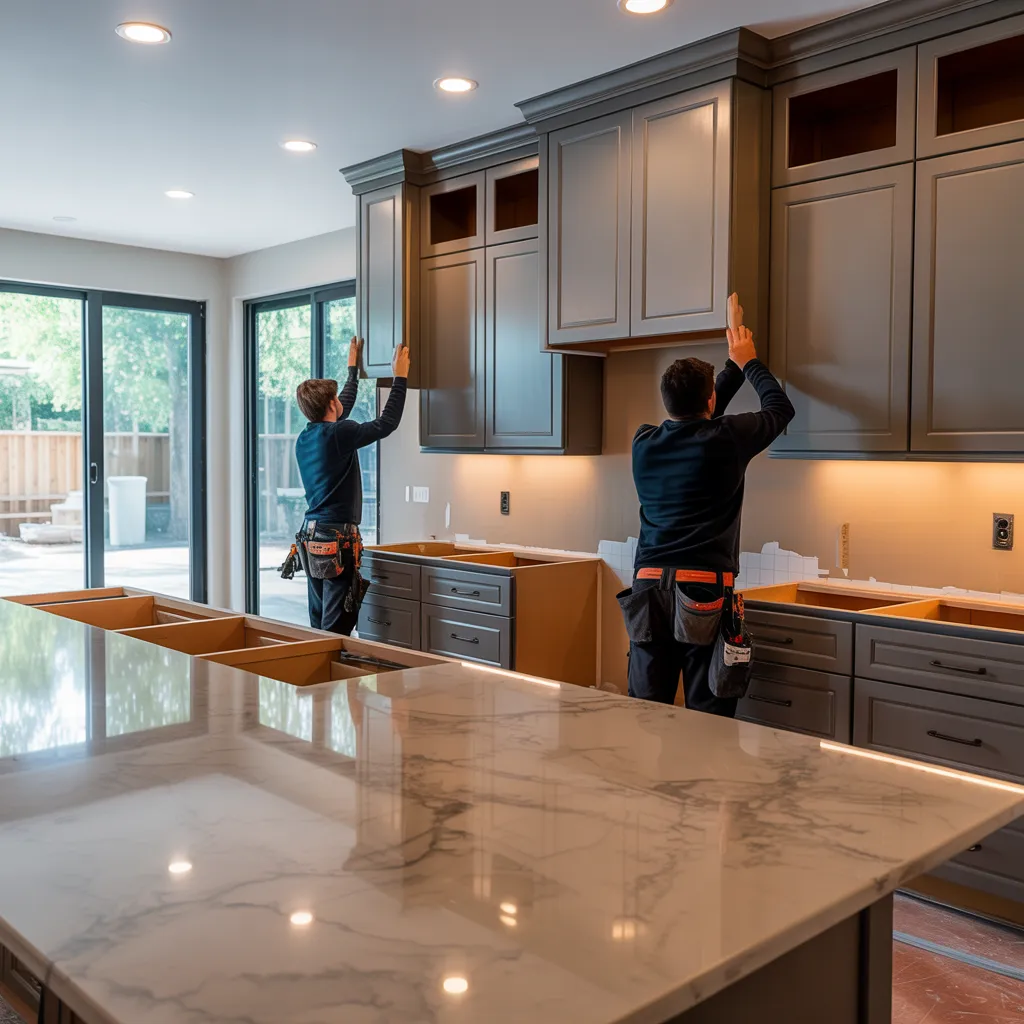
Grasping Your Renovation Needs
What's the best way to accurately determine remodeling needs? To begin, homeowners should evaluate their current space, recognizing areas that require enhancement or modernization. This process usually entails compiling specific goals, such as improving functionality, enhancing aesthetics, or boosting property value. Comprehending personal preferences and lifestyle needs is essential, as these factors will guide the complete design and functionality of the remodeled space.
Subsequently, reviewing the budget is essential. Homeowners should identify a realistic financial range that accommodates both planned upgrades and potential unforeseen expenses. Moreover, it is prudent to prioritize projects based on urgency and impact.
Finally, considering the extended vision for the property will help in making informed decisions. By establishing these aspects, property owners can establish a detailed understanding of their remodeling objectives, ensuring that the end result meets their expectations and enhances their living environment.
Investigating Community Remodeling Professionals
While looking for local remodeling contractors, homeowners often think about where to begin their hunt for qualified professionals. The process typically commences with gathering recommendations from friends, family, or neighbors who have recently completed remodeling projects. Web-based platforms and local directories can also supply valuable details into available contractors in the area.
People should take the time to research each contractor's credentials, verifying they are both licensed and insured. Moreover, verifying affiliations with professional organizations can signal a commitment to industry standards.
When a initial list is compiled, potential clients should consider reviewing contractors' websites and social media profiles for more information. This research phase is vital, as it aids in refine options and sets the foundation for subsequent evaluations. By diligently researching local remodeling contractors, individuals can make well-informed decisions and pave the way for successful home improvement projects.
Examining Contractor Portfolios and Reviews
When reviewing remodeling contractors, it is necessary to analyze their prior projects to grasp their skills and approach. Client testimonials present important insights into the contractor's dependability and workmanship, while online evaluations offer a wider perspective on total customer satisfaction. Collectively, these elements form a comprehensive view of a contractor's skills and reputation in the industry.
Evaluating Earlier Projects
What criteria should homeowners consider when analyzing past projects to evaluate contractor portfolios and reviews? Homeowners ought to begin by examining the diversity of projects displayed in the contractor's portfolio, as a wide range reflects flexibility and skill. Next, they should inspect the quality of workmanship, focusing intently on details and finishes. Additionally, homeowners must evaluate the relevance of past projects to their own remodeling needs, seeking similarities in style and scope. Feedback from previous clients can deliver insights into the contractor's reliability, communication skills, and adherence to timelines. Finally, verifying any awards or certifications can additionally confirm the contractor's expertise, guaranteeing that homeowners make well-informed choices based on detailed analyses of past work.
Reviewing Client Feedback
How do client testimonials shape the decision-making process for homeowners searching for remodeling services? Client testimonials deliver perspective into the experiences of former customers, giving a glimpse into the quality of work and level of service a contractor supplies. Homeowners frequently depend on these testimonials to evaluate reliability, professionalism, and overall satisfaction. Positive feedback can enhance a contractor's credibility, while negative reviews may trigger red flags.
In addition, testimonials can highlight specific strengths, such as meticulous work or on-time delivery, allowing homeowners match their expectations with what the contractor can accomplish. By meticulously assessing testimonials, homeowners can make informed selections, ultimately resulting in a successful remodeling experience that fulfills their requirements and desires.
Verifying Web Feedback
Reviewing contractor portfolios and online reviews is vital for homeowners seeking to make educated decisions about remodeling services. Homeowners should commence by assessing portfolios, which showcase previous projects and emphasize a contractor's style and expertise. This visual representation offers insight into the quality of work performed. Moreover, online reviews act as valuable feedback from former clients, offering perspectives on the contractor's reliability, communication, and overall satisfaction. Platforms like Google, Yelp, and specialized home improvement sites can be valuable in collecting this information. Homeowners need to pay careful attention to both positive and negative reviews, as they expose patterns in performance. By thoroughly assessing these resources, homeowners can with confidence select a contractor that matches their remodeling vision and expectations.
Gathering Quotes and Analyzing Estimates
Upon starting a remodeling project, securing quotes and comparing estimates is vital for making educated decisions. Homeowners should pursue multiple estimates from various contractors to make certain they receive a complete view of the potential costs involved. Each estimate should include the scope of work, materials, labor, and any additional fees, allowing a straightforward comparison.
It is vital to examine the particulars of each quote rather than only centering on the total price. Differences in material quality, labor costs, and project timelines can considerably affect the overall value. Homeowners should also factor in the contractor's reputation and prior work, as these elements can determine the quality of the final outcome.
Confirming Licensing and Credentials
When choosing a remodeling contractor, it is vital to verify their licensing and credentials to guarantee legitimacy. This includes verifying the validity of their license, examining their insurance coverage, and checking any professional affiliations they may have. These steps help protect the homeowner's investment and confirm compliance with local regulations.
Validate License Validity
Verifying the validity of a contractor's license is an essential step in ensuring quality and compliance in remodeling services. Homeowners should diligently confirm that their preferred contractor carries a valid, state-issued license that aligns with the specific type of remodeling project required. This process often includes visiting the appropriate state licensing board's website or contacting them directly. It is essential to validate that the license is current and in good standing, as expired or invalid licenses may signal a lack of professionalism or adherence to legal standards. Moreover, verifying the license helps safeguard homeowners from potential liabilities and confirms that the contractor complies with local building codes and regulations, ultimately securing the success of the remodeling project.
Review Insurance Coverage
How might homeowners make certain their remodeling project is safeguarded from unanticipated issues? A critical step is resource evaluating the insurance coverage of potential remodeling contractors. Homeowners should verify that contractors possess adequate liability insurance and workers' compensation coverage. This guarantees that any accidents or damages sustained during the project will be financially covered, shielding both the homeowner and the contractor. Homeowners are advised to request copies of the insurance certificates and check their validity with the issuing insurance company. Moreover, understanding the scope of the insurance policies can help homeowners spot any gaps in coverage. By comprehensively examining insurance coverage, homeowners can greatly reduce risks and secure a smoother remodeling experience.
Assess Professional Credentials
How can homeowners ensure their remodeling contractor possesses the necessary qualifications? A crucial step involves verifying the contractor's professional affiliations. Participation in recognized industry groups, such as the National Association of the Remodeling Industry (NARI) or the National Kitchen and Bath Association (NKBA), frequently signals a commitment to quality and ethical practices. Property owners should likewise check that the contractor has obtained required licenses and certifications required by municipal and state regulations. This ensures compliance with legal standards but also reflects the contractor's dedication to professional development. By evaluating these credentials, homeowners can establish confidence regarding their choice of contractor, assisting to ensure a successful remodeling project that fulfills their requirements.
Creating a Effective Communication With Your Contractor
Good communication with a contractor can considerably shape the success of a remodeling project. Establishing clear lines of communication from the outset makes certain that both parties understand expectations, timelines, and budgets. Regular updates and check-ins support transparency, enabling homeowners to address concerns promptly and make informed decisions.
It's crucial for homeowners to convey their vision while remaining open to the contractor's expertise and suggestions. This collaborative approach fosters trust and can produce innovative solutions that elevate the project. Documenting agreements and changes in writing can eliminate misunderstandings down the line.
Moreover, employing different communication channels—such as calls, emails, or direct meetings—can accommodate different preferences and schedules. Eventually, a strong communication foundation establishes a positive working relationship, leading to a prosperous and fulfilling remodeling experience. Connecting candidly and respectfully with the contractor can substantially impact the outcome of the project.
FAQ
How Long Does a Typical Remodeling Project Take to Complete?
A standard remodeling project can take approximately a few weeks to several months, determined by the project scope, complexity, and the resources at hand. Factors like weather, permits, and contractor schedules also impact completion schedules.
What Kinds of Warranty Coverage Do Remodeling Contractors Normally Provide?
Renovation contractors usually offer warranties that cover materials, workmanship, and occasionally appliances. These warranties usually range from one to ten years, depending on project requirements and contractor policies. Clients should always review terms carefully.
Is It Possible to Stay in My Home During Remodeling?
Yes, individuals can often live in their homes during remodeling. However, it may depend on the extent of the work, as specific zones could be unreachable or loud, which may result in disruptions throughout the project.
What Should I Do if I Encounter Unexpected Issues During Remodeling?
When unexpected challenges emerge during renovation, it is essential to reach out promptly with the contractor. Review the situation, work through potential fixes collaboratively, and adapt the timeline or financial plan as needed to guarantee a satisfactory outcome.
Are There Payment Plans Available for Remodeling Projects?
A number of remodeling contractors provide various financing options, like loans, payment plans, and credit lines. Homeowners should explore these options to handle costs effectively and verify their projects meet budgetary constraints.